
Gülcan Şenyuvalı
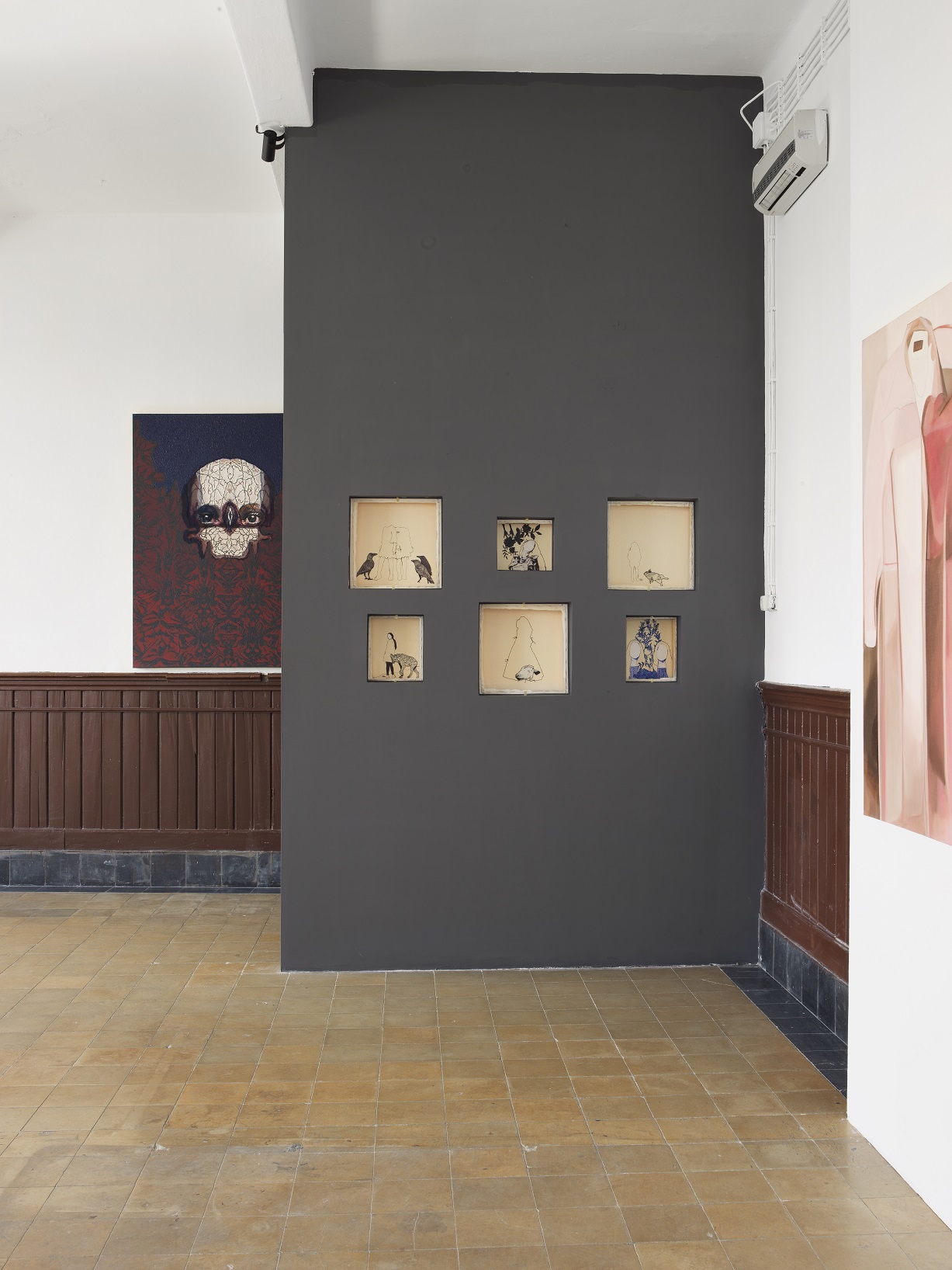
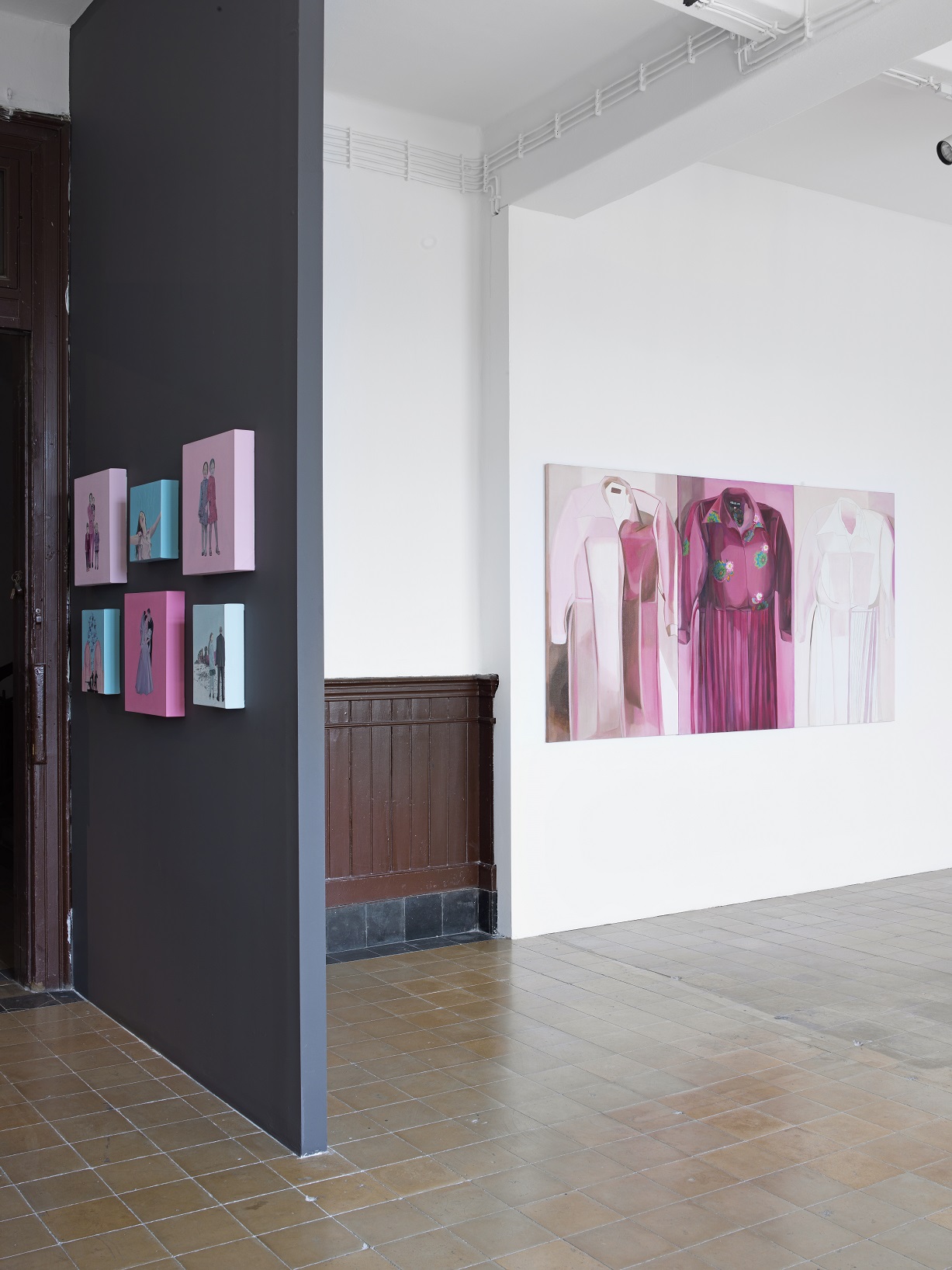
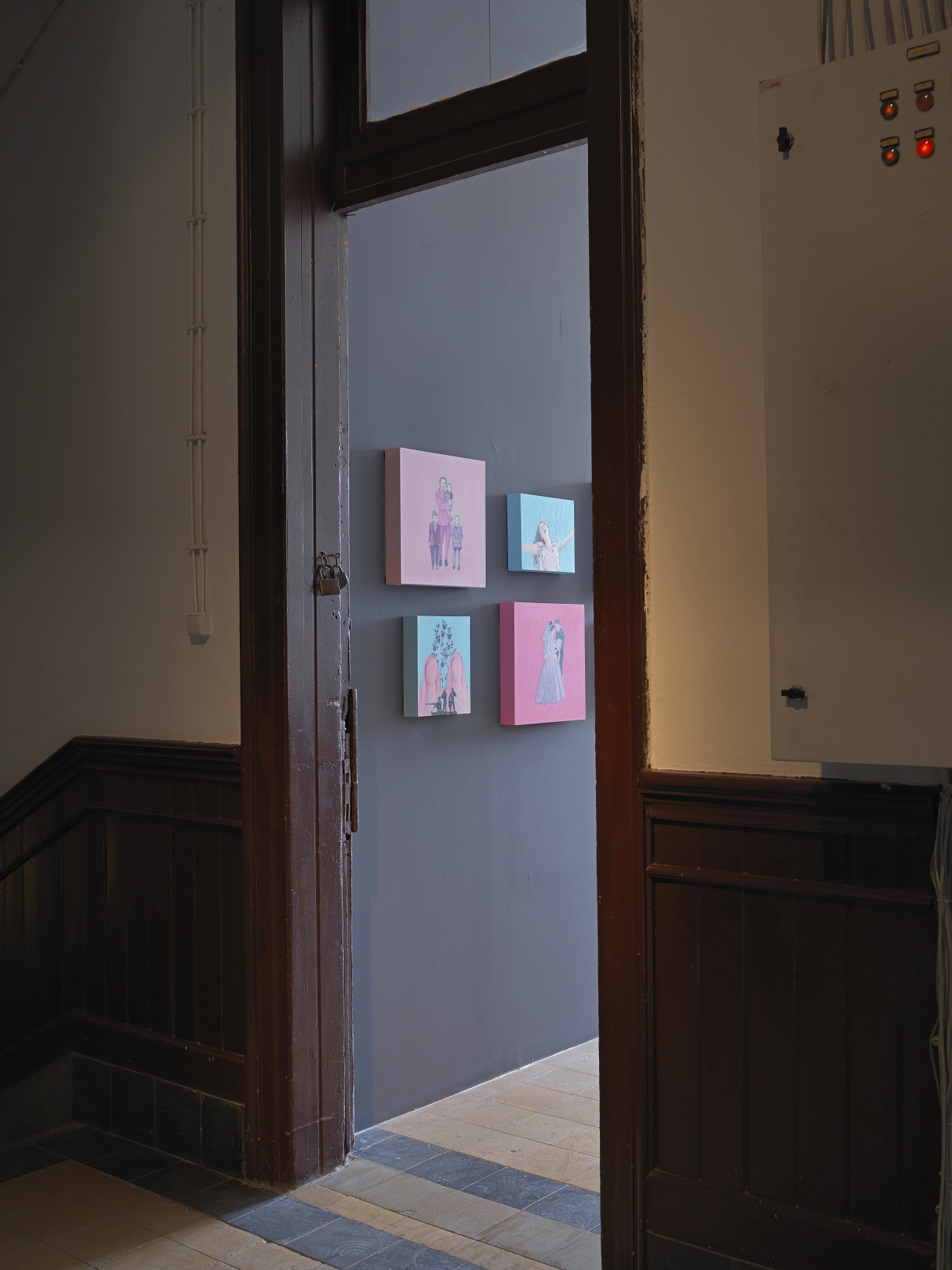
Say My Name Series, acrylic, oil paint, collage, and stitching on canvas
Happy Family II / Dead Rabbit, 2016–2017, 40 × 40 cm
Blue Sky / Still Life II, 2016–2017, 35 × 25 cm
Sister / Crows, 2016, 40 × 40 cm
Playing with the Tin Soldier / Still-life, 2016-2017, 30 x 25 cm
Happy Family III / Still-life III, 2018, 40 x 40 cm
Highschool Girl / Hyena, 2016-2017, 30 x 25 cm
We are undergoing a process of change and transformation that we have not yet been able to define fully. Moreover, this transformation does not appear to be moving in a progressive direction. Women—or, more broadly, those who are marginalised—are perhaps the principal victims of this uncertainty. Issues that we should no longer need to debate, and which we assumed had been left behind as problems of the past, are repeatedly brought before us once again. Various restrictions continue to be imposed on women as part of the construction of society. Unfortunately, we may seem to be repeating the same arguments endlessly, and everything may appear to have become a collection of clichés. Yet, day by day, we witness how these issues affect each of our lives. While the “family” is regarded as fundamentally important to the continuation of society, the condition of “being a woman” is assigned a destructive meaning. From this perspective, the series may be understood as a reconstruction of the rosy pink and blue world represented through the traditional concept of the “family,” within which women are expected to assume a prescribed position.
The works also express society’s ambivalent approach to events by bringing different layers together. They reveal that things are not always what they appear to be and that beneath their surfaces lies a hypocritical artificiality. In this respect, the paintings contain a symbolic structure through which themes of fragility and contradiction may also be observed. The front surfaces of the canvases were created using acrylic, oil paint, and charcoal, with a reductive visual language dominated by rosy pink and blue tones and an aesthetic reminiscent of book illustrations. Nostalgia and romanticism prevail on these surfaces. The reverse sides, however, employ collage and monochromatic colours to create a more expressionistic structure. The function of stitching in these works is to transfer the trace of the female figure on the front surface onto the reverse. Although the rosy pink colours on the front may initially produce a positive impression, the intention is to confront this appearance with the negative perception presented within the freer space of the reverse side, thereby contributing to the healing of society.